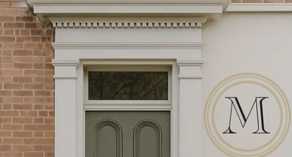
When we first discovered the Tubman House in Ottawa’s historic New Edinburgh neighbourhood, its quiet Victorian charm still lingered. Built circa 1874, the house had been home to the Tubman family for more than a century. Its first owner, Thomas Tubman — school principal of the milling village and its first city clerk — embodied the civic spirit that shaped Ottawa’s earliest suburb.
The building itself stood as a modest but elegant example of 19th-century domestic architecture, its sawn brackets and porch balustrade reflecting a refined village vernacular.
When we purchased the property, it appeared in sound condition — a place that seemed to require little more than paint and refinishing of floors. But as repairs began on the 1986 additions, a different story emerged.
Beneath their walls lay numerous hidden defects: improper structural repairs, evidence of water infiltration, carpenter-ant nests within the exterior wall structure, and failing materials throughout.
What was meant to be a simple refresh quickly became a complex and costly undertaking — one that tested our resolve and, ultimately, inspired a full restoration of the original 1870s portion of the home.
Opening the c.1874 walls to correct insulation issues, however, revealed more —the story of a century of use and care. Original lath and plaster, hand-hewn beams, and faint traces of early paint guided every decision that followed.
Rather than modernize indiscriminately, we chose to recreate what time and neglect had obscured — respecting the original craftsmanship while quietly adapting the house for a new century. Every trim profile, sawn bracket, and mortar mix was studied and re-interpreted through a heritage lens.
The restoration became a dialogue between past and present. Wood siding was hand-matched to 19th-century millwork; lime mortars replaced cement; and windows were restored rather than replaced. Where new materials were unavoidable, they were introduced with discretion — honouring the spirit of the original builders rather than merely imitating them. Slowly, the Tubman House began to breathe again, its details once more alive in the light.
Today, the Tubman House stands not as a museum piece but as a living home — a testament to how patience, craft, and respect for history can transform neglect into renewal.
The journey was never planned; it emerged from necessity, curiosity, and care. In restoring its structure, we rediscovered something intangible — a connection between past hands and present ones, between the way things were made and the way we choose to live among them now.
—Martin Normandeau, Ottawa
This restoration received the City of Ottawa 2025 Award of Excellence in Restoration, recognizing the dedication and care that guided every phase of the project.